Leadership
From Engineer to Executive: What Changed Along the Way
The skills that got me promoted were not the skills the new job needed. It took me longer than I would like to admit to notice.

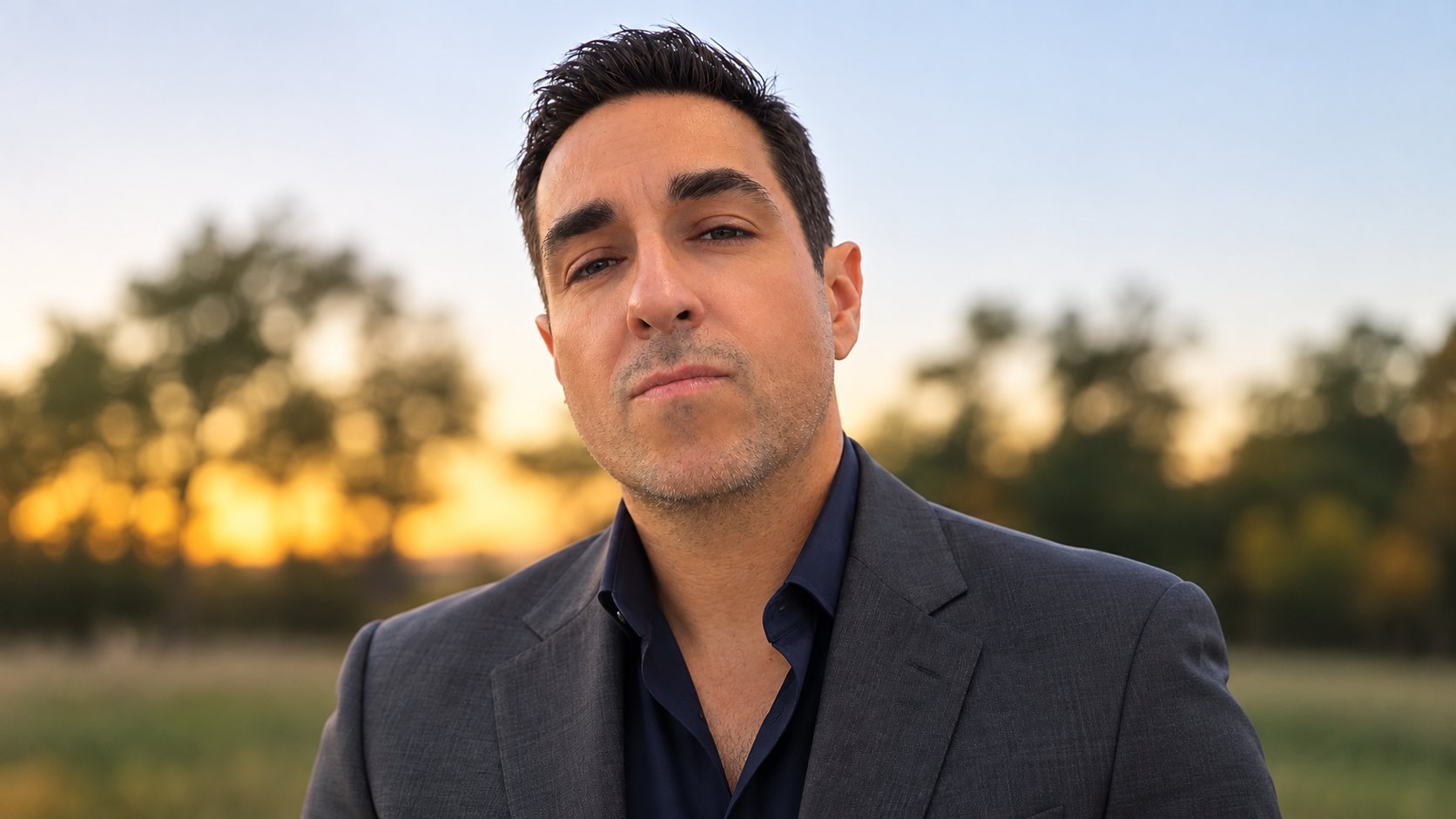
My first job leading people was not in technology. From 1996 to 1999 I managed operations and staffing for an aviation services company at Newark airport, running large teams on international airline operations where everything was time sensitive and regulated. Then I moved into building. I co-founded Bla-Bla Networks in 1999, spent ten years as VP of Product at UGO through its acquisition by Hearst, co-founded Receptiv, a mobile ad tech company later acquired by Verve, and was VP of Product and acting CTO at BrightLine. At NBCUniversal I built a 30+ person ad integration organization in under six months. Since April 2026 I have been CTO of Kbean, the company I co-founded in 2018.
So I have gone back and forth between building things and leading people for thirty years. Here is what changed each time I moved further from the work itself.
For a long stretch of that, my value felt simple. Something was broken, and I could fix it. Something did not exist, and I could build it. I could see the whole system in my head, and that was the job.
Then the job changed, and nobody handed me a new definition of what being good at it meant.
The first shock: my hands were no longer the point
The trap for a new engineering leader is to keep doing the work yourself. It feels faster. For a while it is. Then you become the bottleneck for every decision, and the people you are supposed to be leading start waiting for you instead of thinking for themselves.
I had to learn that my output was now other people's output. That is a hard thing for an engineer to accept, because the old proof of being good, a thing you made that works, gets replaced by something much less visible.
The second shock: being right was not enough
As an engineer, being right usually won. The code ran or it did not. The test passed or it did not.
As an executive, you can be completely right and still lose, because you have not brought people with you. You have not understood what the sales team is afraid of, or what the board needs to hear, or why a decision that is obvious to you feels threatening to someone else.
When I do not know what to say, I ask questions. That is what I do.
The third shock: the system I had to understand was people
Engineers are trained to find patterns. Inputs, outputs, failure modes, the place where the thing keeps breaking. It turns out that training transfers almost perfectly to teams. It just takes longer to see it.
A team that keeps missing deadlines has a pattern. A meeting that always goes badly has a pattern. A leader who keeps hiring the same kind of person has a pattern. And so do I. The hardest system to debug turned out to be my own reactions.
What did not change
Curiosity. The engineer's itch to understand how something works did not go away. It just got pointed at different things. Markets. Customers. People. Myself.
And building. I still build. Something is broken and part of me still reaches for the keyboard. I have learned to treat that reach as information. Sometimes it means I should build. More often it means I should ask a better question first.
If you are making this move
Expect to feel less competent for a while. That is not a sign you are failing. It is a sign you are learning a different job.
Find a new way to measure your days. Here is one: did someone on your team do something today they could not have done six months ago?
And keep your hands in the work enough to stay honest, but not so much that you become the thing everyone waits on.
I speak and advise on technology leadership, especially for engineers stepping into executive roles. If that is where you are, let's talk.
Technology executive, speaker and explorer of consciousness. This idea is also the heart of his keynote From Reaction to Response.